What Is AI Visibility Audit for Brands
Achieving Success: How an AI Visibility Audit Can Elevate Your Online Presence
In the current digital environment, many brands struggle to achieve the visibility they desire. An AI visibility audit provides a systematic method for identifying the root causes impacting online presence. By analyzing key metrics, businesses can pinpoint areas for improvement and identify opportunities for growth. However, understanding how to effectively implement these insights is essential. What approaches can be established to ensure a stronger digital presence?
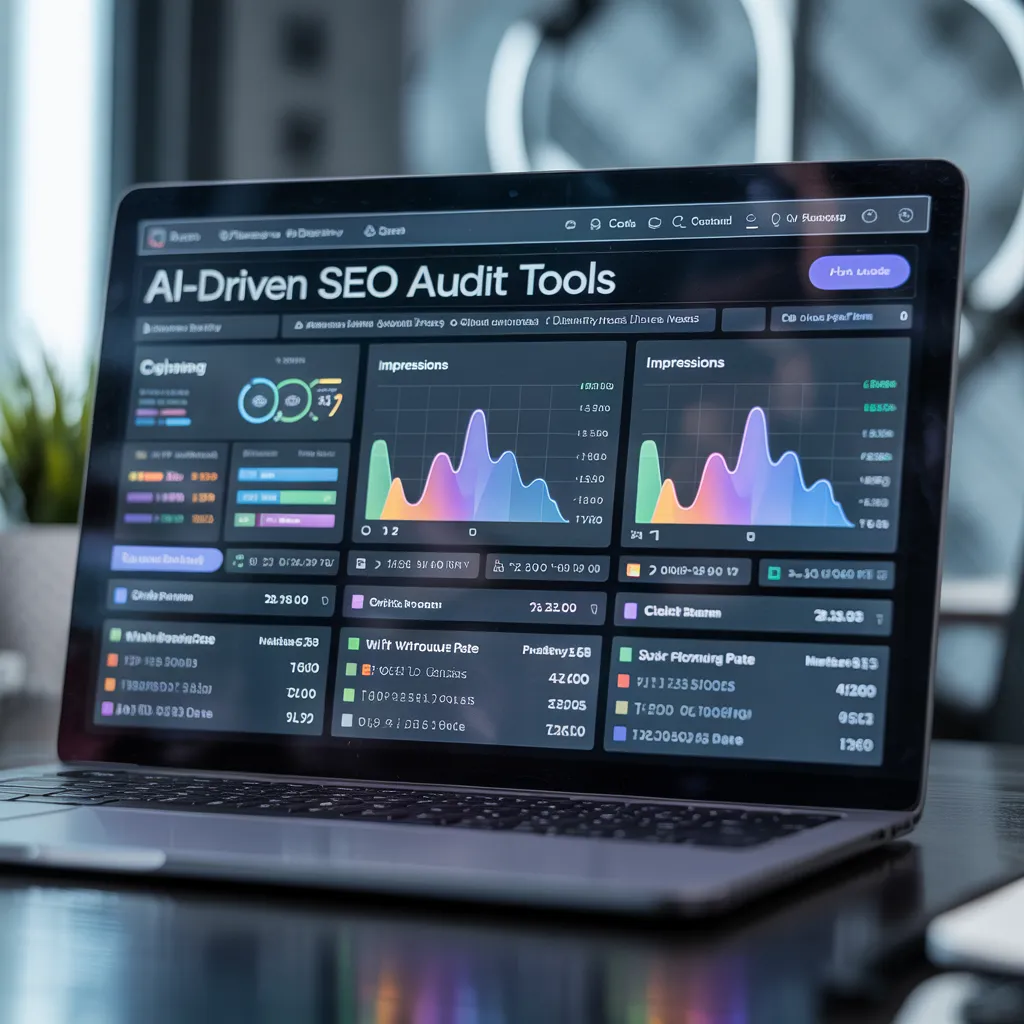
Reasons Your Brand Struggles With Online Visibility
A large number of brands have difficulty achieving visibility online because of insufficient strategic focus and poorly executed digital marketing strategies. This often results from inadequate understanding of their target demographic, causing poorly tailored content that struggles to resonate. Furthermore, brands may neglect essential channels such as email marketing or social media, overlooking vital opportunities for interaction and growth.
Additionally, inconsistent brand identity and communication can perplex potential customers, causing them to overlook the brand entirely. Technical problems, like a poorly optimized website or delayed loading times, also play a role in weakening online presence. Without routine performance monitoring, brands might be oblivious to how effective their approaches truly are, hindering their ability to adapt and improve. In the end, these elements establish a pattern of invisibility that proves difficult to overcome, causing brands to fall short of the recognition required to thrive in today's demanding digital environment.
What Is the Real Process Behind AI Visibility Audits?
AI-driven visibility audits function through comprehensive data collection explore the facts processes that evaluate multiple online performance metrics. By analyzing critical performance metrics, these audits uncover opportunities and gaps in a business's digital presence. Ultimately, this process enables organizations discover how to strengthen their visibility in a highly competitive environment.
Data Acquisition Methods
A detailed assessment of AI visibility employs multiple data collection methods to assess how well AI platforms function and engage with users. These methods include data scraping, which collects information from online sources to evaluate content relevance and user engagement. User feedback is also obtained through surveys and reviews, revealing information about customer satisfaction and user experience. Furthermore, analytics tools analyze user behavior, identifying interaction patterns with AI systems. Social media monitoring measures overall public sentiment and user engagement, while operational logs track errors and system responses. Merging these techniques provides an extensive view of the visibility and effectiveness of an AI system, helping organizations to identify areas needing improvement and optimize their online presence.
Performance Data Analysis
To measure the efficiency of AI systems, performance metrics analysis holds a central position in the visibility audit process. This process includes reviewing critical metrics such as accuracy, response time, and user engagement. By analyzing these key factors, areas for improvement can be identified by auditors and measure the overall performance of the system. Moreover, industry standard comparative benchmarks provide context, allowing organizations to understand their competitive positioning. The findings obtained through this analysis assist stakeholders in making well-informed decisions, making certain that AI systems correspond with organizational objectives. At its core, performance metrics analysis serves as a foundational component in the audit of visibility, uncovering strengths and weaknesses capable of driving strategic improvements and enhance online visibility.
Key Metrics for Your AI Visibility Audit
While carrying out an audit of AI visibility, several critical metrics warrant attention. Organic search traffic trends, metrics related to social media engagement, and website load speed analysis provide essential insights into overall performance. Evaluating these factors can assist businesses in understanding their reach and impact in engaging their desired audience.
Organic Search Traffic Insights
Understanding unpaid search traffic trends is fundamental for conducting an effective AI-driven visibility audit. Such trends uncover how online users find content through search platforms, showcasing the efficiency of SEO strategies. Important metrics to examine consist of keyword standings, click rates, and traffic pathways. An improvement in organic traffic often indicates successful SEO efforts, while drops might suggest issues needing attention. Monitoring seasonal fluctuations can further reveal details about audience behavior and content applicability. Moreover, understanding the geographic spread of web traffic can guide focused marketing strategies. By analyzing these developments, businesses can identify opportunities for improvement, ensuring their online presence stays relevant and aligned with audience needs. This analysis is essential for optimizing visibility and fostering long-term growth.
Social Media Interaction Metrics
Examining social media engagement metrics is vital for a complete AI visibility audit. This data delivers key understanding of how audiences interact with content across diverse platforms. Key metrics include likes, shares, comments, and overall reach, which together reflect the effectiveness of social media initiatives. Strong interaction levels indicate that content appeals to the target audience, while low engagement may signal a need for improvement. Additionally, observing community expansion and demographic data can help uncover insights and shape future content creation. Interpreting these indicators empowers organizations to optimize their social media strategies, improving reach and cultivating a more powerful online presence. Ultimately, measuring social media interaction is critical to maximizing results and reaching business goals.
Web Page Load Speed Assessment
Page load speed is a vital element that impacts user experience and overall site performance. A slow-loading website can frustrate users, leading to increased bounce rates and diminished engagement. For organizations, this results in missed opportunities and reduced revenue potential. An AI visibility audit evaluates load speed by analyzing key metrics such as time to first byte, fully loaded time, and page size. Such metrics aid in detecting performance obstacles, facilitating focused improvements. Moreover, search engines give preference to faster websites within their ranking algorithms, making load speed vital for boosting search visibility. By addressing load speed issues, businesses can enhance user satisfaction, improve SEO outcomes, and ultimately drive higher conversion rates.
Discovering Gaps in Your Online Presence
A strong online presence is vital for organizations aiming to grow in a digital landscape. Recognizing weaknesses in this visibility is important for improving reach and interaction. An AI visibility audit can systematically evaluate multiple aspects, such as search engine optimization, website content, and social media engagement. By analyzing these elements, companies can identify weaknesses where they underperform against industry rivals.
Common gaps may include outdated content, insufficient social media interaction, or poor search engine rankings. The audit further identifies untapped potential in addressing specific demographics or capitalizing on emerging platforms. Additionally, it assesses key user experience elements, including mobile responsiveness and accessibility, which can significantly influence audience retention.
Addressing these gaps allows businesses to better align their strategies with audience expectations , ultimately developing a more consistent and powerful online presence. This forward-thinking approach not only enhances visibility but also cultivates stronger relationships with potential customers.
Actionable Tactics for Boosting Your Brand's Online Visibility
Gaps identified in a brand's online presence can act as a catalyst for growth. To improve digital reach, brands should first optimize their website for search engines, confirming that keywords correspond with the right demographic. Next, compelling content—including blog articles, videos, and infographics—can draw in and hold the attention of users, building a dedicated following.
Utilizing social media channels is an additional effective approach; organizations should regularly publish meaningful content and connect with their followers to cultivate meaningful connections. Teaming up with influencers can further amplify brand reach and credibility.
Email marketing remains a powerful tool; customized campaigns can reconnect with past customers and develop leads.
Ultimately, monitoring analytics allows brands to fine-tune their tactics based on up-to-date information. By applying these focused strategies, brands can significantly improve their digital footprint, driving growth and interaction in an progressively digital world.
Evaluating the Success of an AI Visibility Audit
Progress in a digital visibility assessment can be gauged through several metrics that reflect a brand's online presence. Key performance indicators (KPIs) such as organic traffic, search engine rankings, and engagement rates function as foundational measures. Assessing the improvement in keyword visibility can reveal the efficiency of optimization strategies. Moreover, monitoring social media metrics, such as shares and interactions, assists with determining audience engagement.
Conversion statistics further demonstrate the audit's significance by revealing how effectively the website converts visitors into customers. A thorough comparison of pre- and post-audit data will illustrate tangible improvements. Additionally, utilizing tools like Google Analytics and SEO platforms can offer deeper insights into user behavior and site performance. By carefully analyzing these metrics, brands can assess the overall effectiveness of their AI visibility audit, allowing them to make data-driven decisions for continued digital strategies.
Frequently Asked Questions
How Long Does an AI Visibility Audit Typically Take?
A typical AI visibility audit spans one to two weeks according to the scope of the online presence being evaluated. Variables that impact the timeframe encompass the extent of the website, the volume of data to be analyzed, and the particular goals of the audit. Thorough assessments may require additional time for extensive analysis and strategic planning, making certain that all elements of visibility are fully covered to optimize online performance.
What Tools Are Employed for AI Visibility Audits?
Multiple tools are employed for AI presence audits, including SEO analysis platforms like SEMrush and Ahrefs, which measure website performance and keyword rankings. Google Analytics delivers detailed information about visitor behavior, while social analytics platforms track engagement across various platforms. Additionally, artificial intelligence tools like Clearscope and MarketMuse help optimize content for discoverability and relevance. Together, these resources enable a thorough evaluation of digital presence and pinpoint areas that need enhancement.
Can Small Businesses Benefit From AI Visibility Audits?
Small enterprises can significantly gain from artificial intelligence visibility audits. These assessments pinpoint strengths and weaknesses in digital presence, helping to optimize digital strategies. By utilizing data-backed insights, small companies can improve their search engine positions, elevate customer interaction, and customize marketing initiatives more efficiently. In the end, this can result in greater visibility, drawing in more clients and encouraging growth in a competitive landscape. The in-depth analysis delivered by AI tools is indispensable for small businesses.
How Often Should I Conduct an AI Visibility Audit?
An AI visibility audit is ideally carried out quarterly to ensure a business's online presence remains optimized and competitive. This cadence provides for timely adjustments in response to evolving algorithms, trends, and consumer behaviors. Moreover, seasonal evaluations can help identify particular opportunities or obstacles that emerge throughout the year. Routine audits not only improve visibility but also aid continuous strategic planning for small businesses seeking to strengthen their digital footprint.
Are Technical SEO Elements Covered in AI Visibility Audits?
Absolutely, technical SEO is commonly part of AI-driven visibility audits. These audits assess multiple elements of a website's performance, such as loading speed, mobile responsiveness, and proper indexing. Through the analysis of technical factors, the audit determines areas requiring attention to strengthen search engine visibility. This ensures that a site is both accessible to users and optimized for search engines, ultimately leading to improved online presence and stronger search result performance.